
Peripheral Neuropathy Treatment
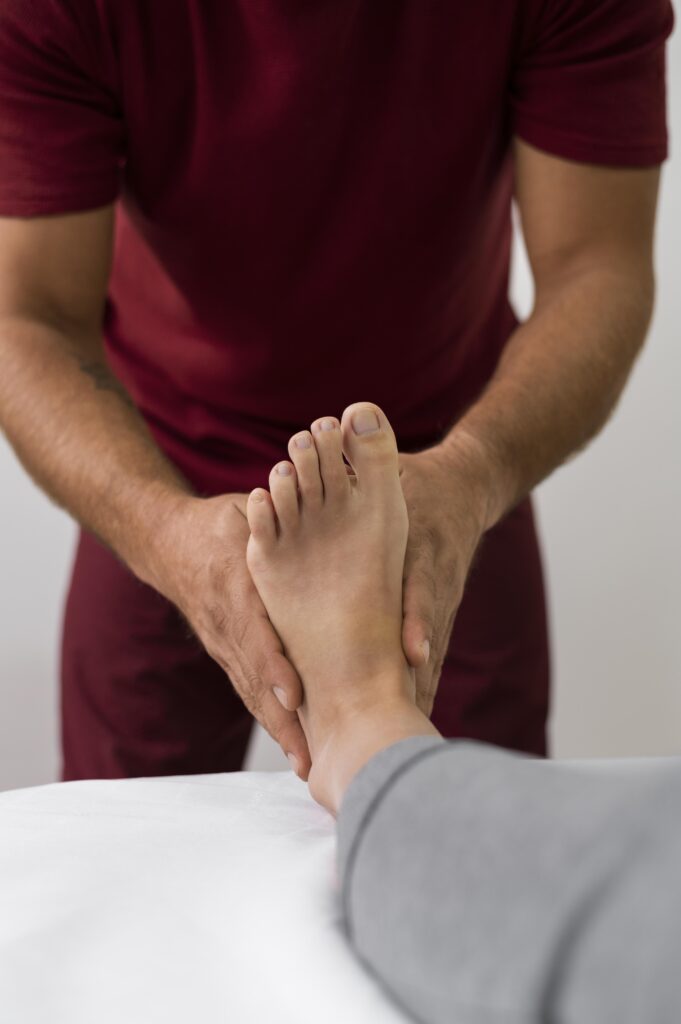
Peripheral Neuropathy Treatment in Thousand Oaks
Peripheral neuropathy characterized by numbness, tingling, burning, or weakness in the feet and hands significantly increases fall risk and limits daily function. At Reform Physical Therapy in Thousand Oaks, our neuropathy program is led by our team: Sejal, Heeren, Omri, Amanda, Taryn, Karen, Lauren, Auzar, and Nicole.
Physical therapy cannot reverse nerve damage, but it can substantially improve balance, strength, functional mobility, and pain levels by training compensatory strategies and optimizing the systems that neuropathy disrupts. Serving patients from Thousand Oaks, Camarillo, Newbury Park, Oxnard, and across Ventura County.
What Is Peripheral Neuropathy Treatment?
Peripheral neuropathy physical therapy uses balance retraining, sensory re-education, progressive strengthening, and gait training to compensate for nerve-related sensory loss in the hands and feet, reducing neuropathic pain and fall risk in patients with diabetic, chemotherapy-induced, or idiopathic neuropathy.
MEDICAL DISCLAIMER: The information on this page is for general educational purposes only. It does not constitute medical advice and is not a substitute for professional diagnosis, treatment, or evaluation by a licensed healthcare provider. If you are experiencing a medical emergency, call 911 immediately.
Signs You May Benefit from Neuropathy PT
Pelvic floor dysfunction can affect bladder, bowel, sexual, and pelvic function. Common symptoms include:
- Numbness, tingling, or burning sensations in your feet or hands, especially at night
- Muscle weakness in your feet, ankles, or hands limiting daily activity
- You feel unsteady when walking, especially on uneven surfaces or in the dark
- Your feet feel like they are wrapped in cotton or you cannot clearly feel the ground
- You have diabetes and your physician has noted sensory changes at a checkup
- You have completed chemotherapy and are experiencing CIPN symptoms
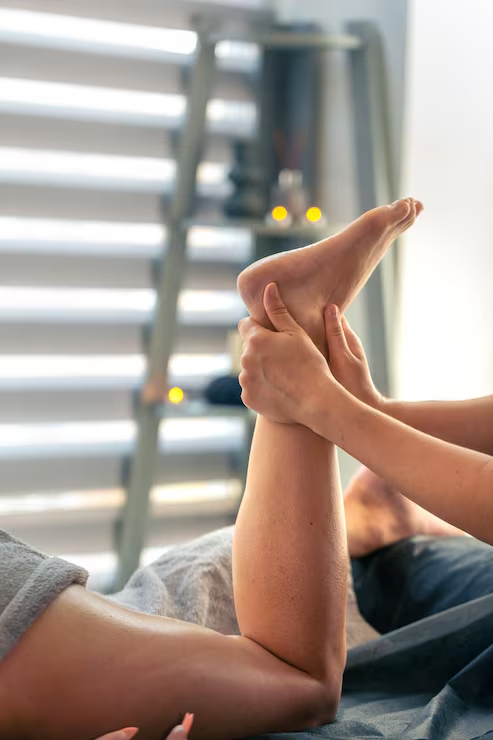
Conditions We Treat
- Diabetic peripheral neuropathy (DPN)
- Chemotherapy-induced peripheral neuropathy (CIPN)
- Idiopathic peripheral neuropathy
- Hereditary neuropathy (Charcot-Marie-Tooth disease)
- Tarsal tunnel syndrome
- Carpal tunnel syndrome
- Guillain-Barre syndrome recovery phase only
- Neuropathy from hypothyroidism or vitamin B12 deficiency
- Autonomic neuropathy affecting gait and balance
Our Approach at Reform Physical Therapy
Assessment begins with Semmes-Weinstein monofilament testing (10-gram filament) to quantify protective sensation loss in the feet the standard clinical tool for diabetic neuropathy evaluation. Vibration testing (128Hz tuning fork) and single-leg stance time further characterize the sensory and balance deficits involved.
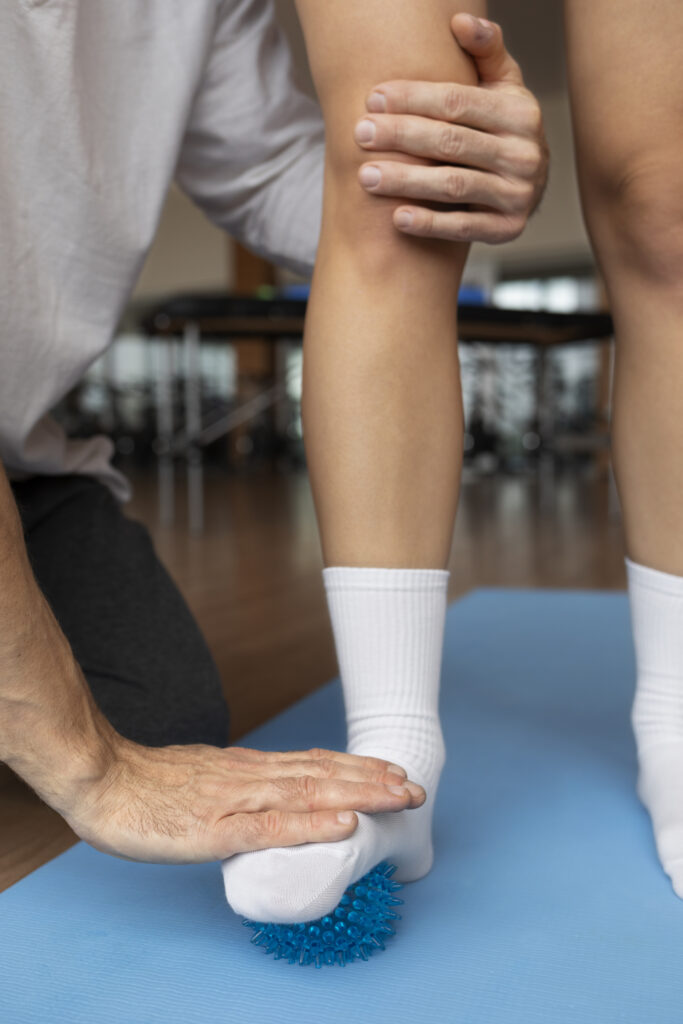
Sensory re-education exercises challenge the nervous system to develop compensatory pathways in areas where sensation is diminished. These begin on stable surfaces with visual feedback and progress to challenging proprioceptive conditions that mirror real-world balance demands.
Progressive balance training on varied surfaces foam pads, uneven terrain, reduced lighting conditions retrains the proprioceptive and vestibular compensation that neuropathy disrupts. Balance programs are graded carefully to avoid overwhelming a sensitized system.
Lower extremity strengthening addresses the ankle and hip weakness that commonly accompanies peripheral neuropathy and compounds fall risk. Footwear assessment and orthotic recommendations are provided where appropriate.
For diabetic neuropathy patients, Dr. Watroba coordinates with the referring physician regarding skin integrity monitoring, activity intensity guidelines, and cardiovascular considerations during exercise. Patients with active foot ulcers are not treated until medically cleared.
Clinical Tools & Assessment: Assessment tools include: Semmes-Weinstein monofilament testing (10g filament), vibration testing (128Hz tuning fork), single-leg stance time, foam pad balance testing, Berg Balance Scale, Dynamic Gait Index, and Neuropathy Symptom Score (NSS).
Why Choose Reform PT for Neuropathy Treatment in Thousand Oaks?
Our team’s clinical background spans outpatient, skilled nursing, and assisted living settings bringing direct, practical experience with neuropathy in older adults in exactly the settings where neuropathy most often presents. Serving Thousand Oaks (91360), Camarillo (93010), Newbury Park (91320), Oxnard (93030), and across Ventura County.
Frequently Asked Questions
Common symptoms include numbness, tingling, or burning in the hands or feet (especially at night), muscle weakness, sharp or electric-shock-like pain, loss of coordination, and increased sensitivity to touch. Symptoms are often symmetrical and worse distally starting in the feet and hands.
Yes. PT cannot reverse nerve damage but significantly improves balance, strength, and function by training compensatory strategies. Exercise also reduces neuropathic pain and has been shown to improve nerve conduction in diabetic and chemotherapy-induced neuropathy.
Neuropathy impairs proprioception your sense of where your feet are in space which destabilizes balance and gait. PT uses progressive balance training on varied surfaces and functional gait exercises to systematically compensate for this sensory loss and reduce measured fall risk.
A pinched nerve involves localized compression of a single nerve causing symptoms in one specific area. Peripheral neuropathy is broader dysfunction affecting multiple nerves, usually symmetrically in both feet or hands. The underlying mechanisms and treatment approaches differ significantly between the two.
Yes, and it is strongly recommended. Exercise improves nerve conduction, reduces neuropathic pain, and builds the strength and balance needed to compensate for sensory loss. All programs are carefully progressed based on your current tolerance and skin integrity status.
Most patients benefit from 8 to 16 sessions with ongoing emphasis on a home program. Progress is tracked with standardized balance and functional assessments at each phase so improvement is measurable, not just perceived.
Reform Physical Therapy offers specialized neuropathy rehab in Thousand Oaks for patients across Ventura County including Camarillo, Newbury Park, Oxnard, and Moorpark (zip codes 91360, 93010, 91320, 93030, 93021). Call to schedule an evaluation.
Related Services at Reform Physical Therapy
Ready to get started?
Call Reform Physical Therapy in Thousand Oaks or request your evaluation online. Most insurance plans accepted. Same-week appointments typically available.