
Pelvic Floor
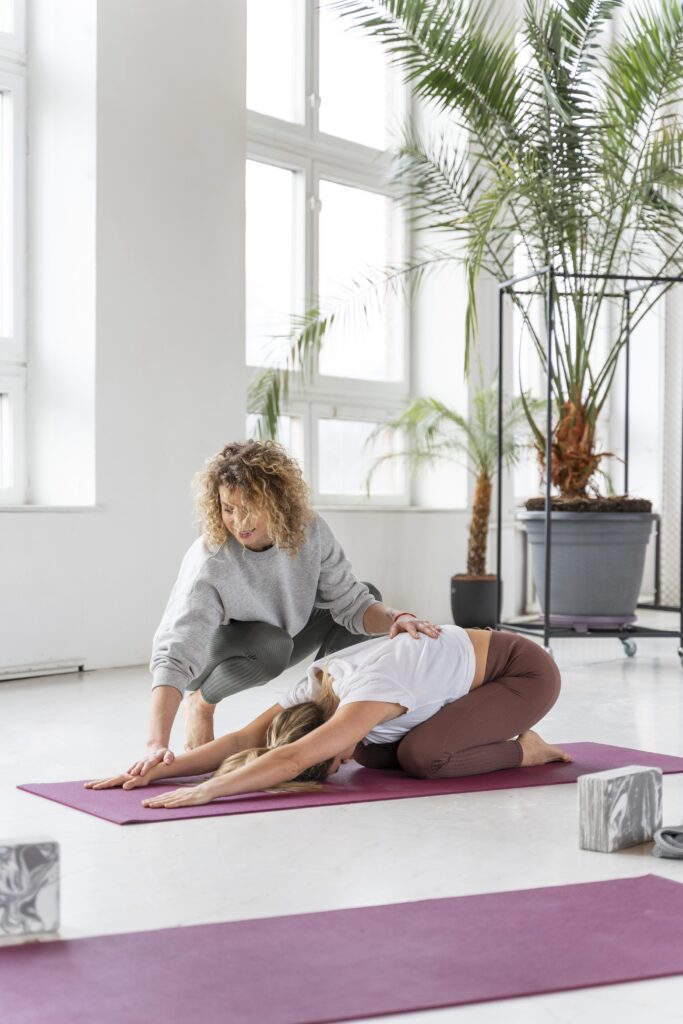
Pelvic Floor Physical Therapy in Thousand Oaks, CA
At Reform Physical Therapy in Thousand Oaks, our pelvic floor program is led by our team: Sejal, Jayna, Auzar, and Nicole, serving women and men across Ventura County, including patients from Camarillo, Newbury Park, and Westlake Village.
If you have been told to just do Kegels or that your symptoms are normal you deserve a proper evaluation. Pelvic floor dysfunction is common and highly treatable, and you do not need to manage it indefinitely.
What Is Pelvic Floor Physical Therapy?
Pelvic floor physical therapy is a PT specialty using hands-on therapy and targeted exercise to treat dysfunction in the muscles supporting the bladder, bowel, and pelvic organs, addressing incontinence, pelvic pain, postpartum recovery, and prolapse.
MEDICAL DISCLAIMER: The information on this page is for general educational purposes only. It does not constitute medical advice and is not a substitute for professional diagnosis, treatment, or evaluation by a licensed healthcare provider. If you are experiencing a medical emergency, call 911 immediately.
Signs You May Benefit from Pelvic Floor PT
Pelvic floor dysfunction can affect bladder, bowel, sexual, and pelvic function. Common symptoms include:
- Urinary leakage when sneezing, coughing, laughing, exercising, or rushing to the bathroom
- Urinary urgency or a sudden, difficult-to-control urge to urinate
- Pelvic pain involving the pelvis, tailbone, hips, or pain during intercourse
- Pregnancy and postpartum discomfort, including pelvic pressure or discomfort during or after pregnancy
- Pelvic pressure or heaviness, including a sensation of bulging in the pelvic region
- Bowel dysfunction, including difficulty with bowel movements, constipation, or fecal urgency
- Diagnosed pelvic floor conditions, including pelvic organ prolapse, vaginismus, or interstitial cystitis
Conditions We Treat
- Stress urinary incontinence (leaking with activity or coughing)
- Urge incontinence and overactive bladder
- Pelvic organ prolapse (bladder, uterus, or rectal prolapse)
- Chronic pelvic pain and pelvic floor hypertonicity (tightness)
- Vaginismus and painful intercourse (dyspareunia)
- Interstitial cystitis / painful bladder syndrome
- Postpartum recovery: diastasis recti, perineal tears, c-section scar
- Prenatal pelvic girdle pain and round ligament pain
- Endometriosis-related pelvic pain
- Male pelvic pain and post-prostatectomy incontinence
- Coccydynia (tailbone pain)
- Fecal incontinence and constipation
Our Approach at Reform Physical Therapy
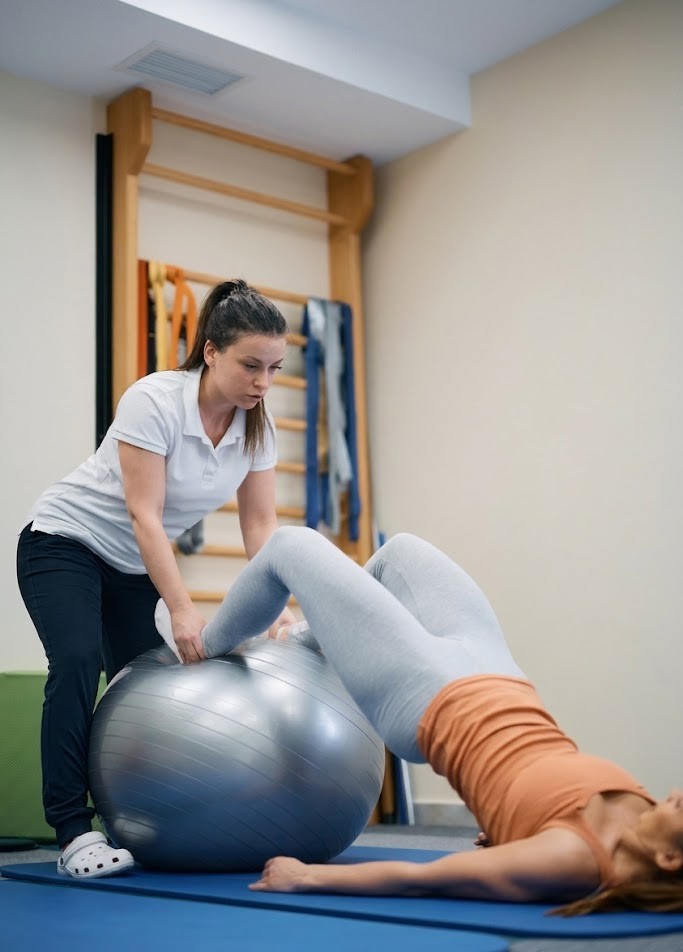
Your first session begins with a comprehensive evaluation reviewing your medical history, symptoms, daily habits, and functional goals. All assessment steps are explained in advance and nothing proceeds without your explicit consent.
External assessment evaluates posture, breathing mechanics, lumbopelvic alignment, and hip and core muscle function all of which directly influence pelvic floor behavior.
Internal assessment, when indicated and consented to, uses digital palpation graded on the PERFECT scale to evaluate pelvic floor muscle strength, endurance, relaxation, co-contraction, and timing. Biofeedback EMG may be used to provide real-time muscle activity data.
Treatment addresses whether your dysfunction involves weakness and underactivity (hypotonicity) or tightness and overactivity (hypertonicity). These require opposite treatment strategies strengthening is contraindicated in hypertonic conditions.
Manual therapy targets fascial restrictions, trigger points, and joint mobility in the lumbopelvic and hip region. Neuromuscular re-education retrains coordination between the pelvic floor, diaphragm, and deep abdominal muscles.
A personalized home exercise program is provided at every visit and progressed based on objective assessment findings, not just symptom reports. Most patients achieve their goals in 6 to 12 sessions.
Clinical Tools & Assessment: Assessment tools include: PERFECT scale, digital palpation grading, surface electromyography (sEMG) biofeedback, pressure biofeedback, & validated outcome measures including the Pelvic Floor Distress Inventory (PFDI-20).
Evidence: Per APTA Clinical Practice Guidelines (2023), pelvic floor muscle training is a Grade A first-line recommendation for stress urinary incontinence, with strong evidence supporting manual therapy for pelvic pain conditions.
Why Choose Reform PT for Pelvic Floor Therapy in Thousand Oaks?
Our team conducts all pelvic floor sessions in a fully private room at our Thousand Oaks clinic. Sessions are unhurried, compassionate, and patient-led. We serve patients from across Ventura County including Camarillo (zip 93010), Newbury Park (91320), Westlake Village (91361), and Thousand Oaks (91360, 91362).
Frequently Asked Questions
Pelvic floor PT is a specialty using hands-on therapy, targeted exercise, and biofeedback to treat dysfunction in the muscles that support the bladder, bowel, and pelvic organs. It addresses conditions including incontinence, pelvic pain, postpartum recovery, and prolapse.
Common signs include leaking urine with activity or urgency, pelvic or tailbone pain, pain during intercourse, postpartum pelvic discomfort, pressure or heaviness in the pelvis, or difficulty with bowel control. A pelvic floor evaluation clarifies the specific dysfunction involved.
An internal exam is not required and is never performed without your explicit consent. You may decline any aspect of the assessment at any time. Your therapist explains each step before proceeding.
No. Men benefit from pelvic floor PT for post-prostatectomy urinary incontinence, chronic pelvic pain, pudendal neuralgia, and fecal urgency. Pelvic floor dysfunction can affect people of all genders.
Most patients notice improvement within 4 to 6 sessions. A complete program typically runs 6 to 12 visits. Consistent home exercise between sessions significantly accelerates progress.
Most PPO and Medicare plans cover pelvic floor PT when medically necessary. California allows direct access for up to 45 days or 12 visits without a physician referral. Our team verifies your benefits before your first visit at no cost.
Reform Physical Therapy offers pelvic floor PT at our Thousand Oaks clinic (zip 91360), serving patients from Camarillo, Newbury Park, Westlake Village, and across Ventura County. Call to schedule a private evaluation.
Related Services at Reform Physical Therapy
Ready to get started?
Call Reform Physical Therapy in Thousand Oaks or request your evaluation online. Most insurance plans accepted. Same-week appointments typically available.